
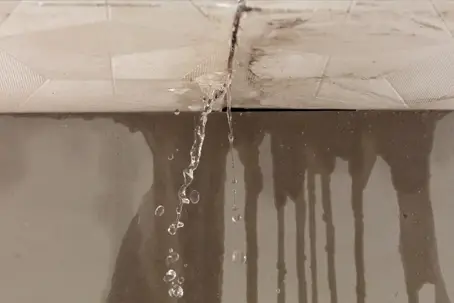
Water damage is one of the most stressful and destructive events a property owner can face. Whether it’s a sudden burst pipe, severe storm flooding, or a slow, hidden leak, the resulting damage requires immediate, professional action. For homeowners’ associations (HOAs) and property managers in Orange County, mitigating water damage quickly and correctly is crucial for protecting property values and resident safety.
At Flood Pro, we bring over 30 years of specialized experience to this process, and understanding the core steps of mitigation is the first step toward effective recovery.
The Crucial Steps of Water Damage Mitigation
Mitigation is not the same as restoration; it refers to the immediate actions taken to prevent further damage, stabilize the property, and prepare it for the full repair and restoration phase. Because time is a critical factor—mold growth can begin in as little as 24 to 48 hours—rapid response is non-negotiable.
Assess the Source and Scope
The first, and arguably most important, step is immediately identifying and stopping the water source. If the damage is from a plumbing issue, turning off the main water supply is essential. Next, a professional must assess the category of water (clean, gray, or black) and the scope of the saturation. For multi-unit properties common in Orange County, this step requires specialized knowledge to check for migration across floors and walls. As an IICRC-certified firm, Flood Pro uses advanced moisture detection equipment to map out exactly where the water has traveled, ensuring no hidden pockets are missed.
Water Extraction and Removal
Once the source is secure, the standing water must be rapidly removed. Utilizing industrial-grade pumps and powerful vacuums is the only way to achieve maximum extraction. In multi-unit buildings, water may pool in subterranean levels or shared wall cavities, requiring targeted and powerful extraction techniques. This phase must be executed with precision to maximize the chance of saving affected materials and expediting the drying process.
Drying, Dehumidification, and Airflow
Effective drying is the heart of mitigation. Simply extracting water is not enough; moisture absorbed by porous materials like drywall, subflooring, and insulation must be removed to prevent structural damage and mold. Our strategy involves placing high-powered air movers and commercial dehumidifiers strategically to create a scientifically controlled drying environment. Our commitment to using IICRC standards means we meticulously monitor temperature and humidity levels, logging the data to ensure drying goals are met faster and more thoroughly than typical methods.
Cleaning and Sanitizing
Any material that cannot be salvaged must be removed and safely disposed of. Surfaces that remain, especially those exposed to non-clean water (like sewage or flooding), require thorough cleaning and sanitizing with professional-grade antimicrobial agents. This is vital for protecting the health of residents and maintaining the community’s standard of living.
Ongoing Monitoring and Documentation
Throughout the entire process, diligent documentation is performed. This is especially critical for property managers and HOAs handling insurance claims. We carefully document all losses, steps taken, and drying progress, which simplifies the claims process and helps secure maximum coverage. This meticulous process, combined with our 30 years of experience serving Orange County, provides our clients with peace of mind.
Why Choose a Local Orange County Expert
When your community faces water damage, you need a partner who understands the local climate, housing codes, and the unique challenges of multi-unit residential properties. For over three decades, Flood Pro has been the trusted name in Orange County, providing reliable, professional, and compassionate service. We act fast, communicate clearly, and restore your property with the precision and professionalism you deserve. If disaster strikes your property, don't delay.
Contact us today at (949) 334-2632 for immediate assistance.