
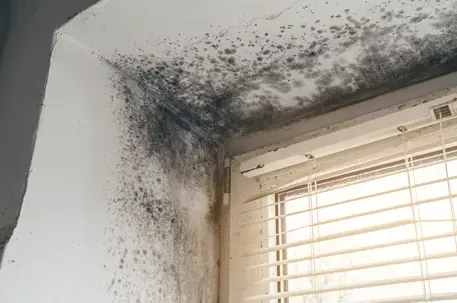
Mold is more than just an unsightly presence; it’s a living organism that, if left unchecked, can seriously compromise indoor air quality, damage structural components, and impact the health of residents. For homeowners’ associations (HOAs) and property managers in Orange County, addressing mold swiftly and effectively is a critical responsibility. As an IICRC-certified restoration company with over 30 years of experience, Flood Pro understands the strict protocols required for safe and complete mold remediation. Knowing the proper Dos and Don'ts is the essential first step in protecting your community.
The Crucial Dos of Professional Mold Removal
Successfully mitigating mold requires a strategic, professional approach that focuses on containment, removal, and moisture control.
DO: Call an IICRC-Certified Professional Immediately
Mold remediation is not a DIY job, especially in multi-unit properties where spores can easily spread. DO contact a certified expert like Flood Pro as soon as you suspect or confirm mold. As an IICRC-certified firm, we adhere to strict industry standards for safety, containment, and removal, ensuring the job is done correctly. The sooner professionals identify the moisture source and begin the remediation process, the less damage—and expense—your community will face.
DO: Identify and Fix the Moisture Source
Mold cannot thrive without moisture. DO focus on locating and repairing the water problem—whether it’s a hidden pipe leak, condensation, or persistent roof intrusion—before any cleanup begins. If the moisture source isn’t resolved, the mold will inevitably return. Our team specializes in comprehensive damage restoration, meaning we have the expertise to handle everything from initial leak detection to the final repair.
DO: Contain the Affected Area
To prevent the spread of microscopic spores, DO isolate the moldy area using plastic sheeting and negative air pressure machines. This professional containment minimizes the risk of cross-contamination to clean parts of the building, a crucial step when working within multi-unit residences common throughout Orange County. Proper containment protects healthy residents and prevents a small problem from becoming a large, costly one.
DO: Ensure Thorough Drying and Air Filtration
After affected, non-salvageable materials are removed, DO use commercial-grade dehumidifiers and air scrubbers equipped with HEPA filters. This equipment is necessary to dry the environment completely and capture airborne mold spores. Flood Pro monitors moisture content in affected materials rigorously, guaranteeing that the structure is returned to normal, safe conditions before reconstruction begins.
The Critical Don'ts of Amateur Mold Cleanup
Taking the wrong approach can make a mold problem far worse and potentially expose residents to health risks.
DON’T: Ignore the Mold or Delay Action
DON’T assume a small patch of mold is harmless or wait to see if it spreads. Mold grows rapidly, potentially compromising air quality within 24–48 hours. Ignoring it risks greater structural damage, higher repair costs, and potential health issues for residents. Prompt action is always the best defense.
DON’T: Use Bleach for Cleanup
While household bleach may appear to kill surface mold on non-porous materials, it is largely ineffective on porous surfaces like drywall or wood, where mold roots deeply. Furthermore, bleach contains a high water content which can feed the mold beneath the surface. DON’T use bleach; rely instead on professional-grade, antimicrobial solutions used by certified remediators.
DON’T: Run Your HVAC System or Fans
DON’T run the central air conditioning or heating system, or use standard household fans, as this can dramatically circulate and distribute mold spores throughout the entire building. This is particularly dangerous in shared air systems within managed communities. Keep the area closed off until professionals install containment and proper air filtration devices.
DON’T: Scrape or Dry Brush the Mold
Vigorously scraping, dry brushing, or vacuuming mold with a standard vacuum cleaner will simply release millions of spores into the air. DON’T attempt these methods. Only professional remediators using specialized equipment, including HEPA vacuums, should handle the physical removal of mold growth.
Successfully dealing with mold requires the expertise and equipment of certified specialists. For reliable, professional mold remediation in Orange County, trust the team with 30+ years of local experience. Contact Flood Pro at (949) 334-2632 for swift and safe resolution.