
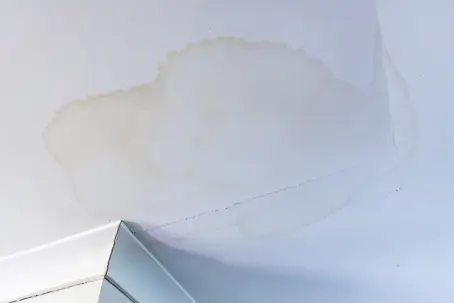
For community managers and homeowners' association boards, managing a multi-unit property means balancing daily operational needs with long-term asset preservation. Because multi-story buildings and condominiums often feature intricate, shared utility lines, structural issues can develop silently and travel quickly across unit boundaries. Recognizing the early indicators of hidden water damage is crucial to preventing a minor, localized leak from expanding into a complex, multi-building crisis that threatens property values.
Common Warning Signs of Hidden Moisture
When a supply line slowly fails behind shared walls, the initial symptoms are rarely dramatic. HOA boards and maintenance teams should train their staff to look out for subtle shifts in common areas and individual units.
Wall Discoloration and Texture Changes: Yellowish, brown, or dark staining on drywall or along baseboards indicates a persistent moisture source. As water saturates the drywall, you may notice paint bubbling, wallpaper peeling, or the wall surface becoming soft to the touch.
Persistent Musty Odors: A distinct, damp smell that lingers even in well-ventilated clubhouses or hallways is a primary indicator of trapped water. This odor usually indicates that hidden moisture has begun to impact the structural framing behind the scenes.
Unexplained Utility Spikes: For properties with shared water meters or dedicated master-association lines, a sudden, unexplained jump in the monthly water bill frequently points to an active slab leak or an isolated failure hidden deep within the wall cavities.
The Operational Risk to Managed Communities
Ignoring these subtle indicators can lead to significant structural and financial complications for a managed residential community. Prolonged exposure to moisture compromises the integrity of structural framing and can quickly lead to widespread mold growth that impacts multiple neighboring units.
Furthermore, resolving a long-term, undetected issue is significantly more complicated than addressing an immediate emergency. When hidden moisture travels through typical multi-family construction types, it can lead to extensive delays during the insurance adjustment process due to a lack of precise documentation of when the loss occurred.
Proactive Mitigation and Structural Recovery
Addressing suspected structural moisture requires specialized, non-invasive technology to pinpoint the exact boundaries of the migration without causing unnecessary damage to common-area walls. Utilizing thermal imaging and advanced moisture meters allows property managers to establish a clear scope of work before coordinating with board members and insurance adjusters.
If your community shows any of these hidden warning signs, partnering with an IICRC-certified specialist ensures that the property is stabilized efficiently and restored to code compliance. From initial moisture mapping to full structural reconstruction, Flood Pro offers comprehensive, community-focused solutions designed to protect your property investments and maintain strict neighborhood standards. Contact the team today at (949) 334-2632 to protect your community spaces.